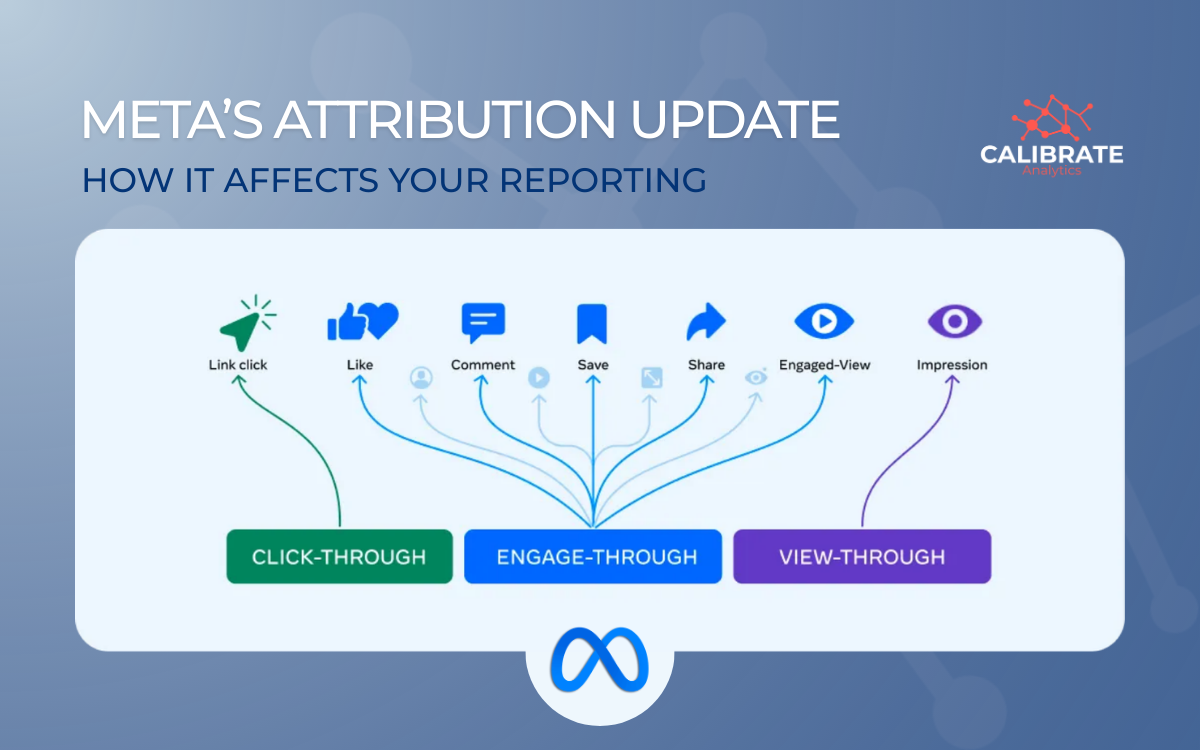
Meta is changing how ad performance is measured, with a focus on making attribution clearer and more consistent across platforms.
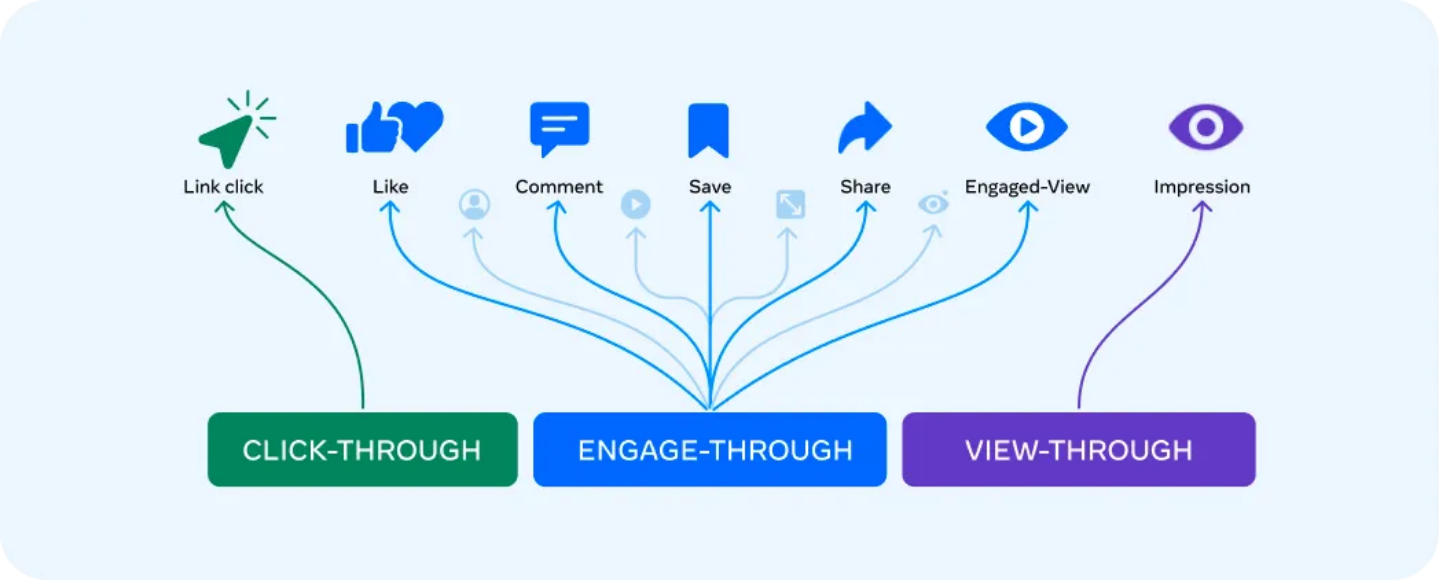
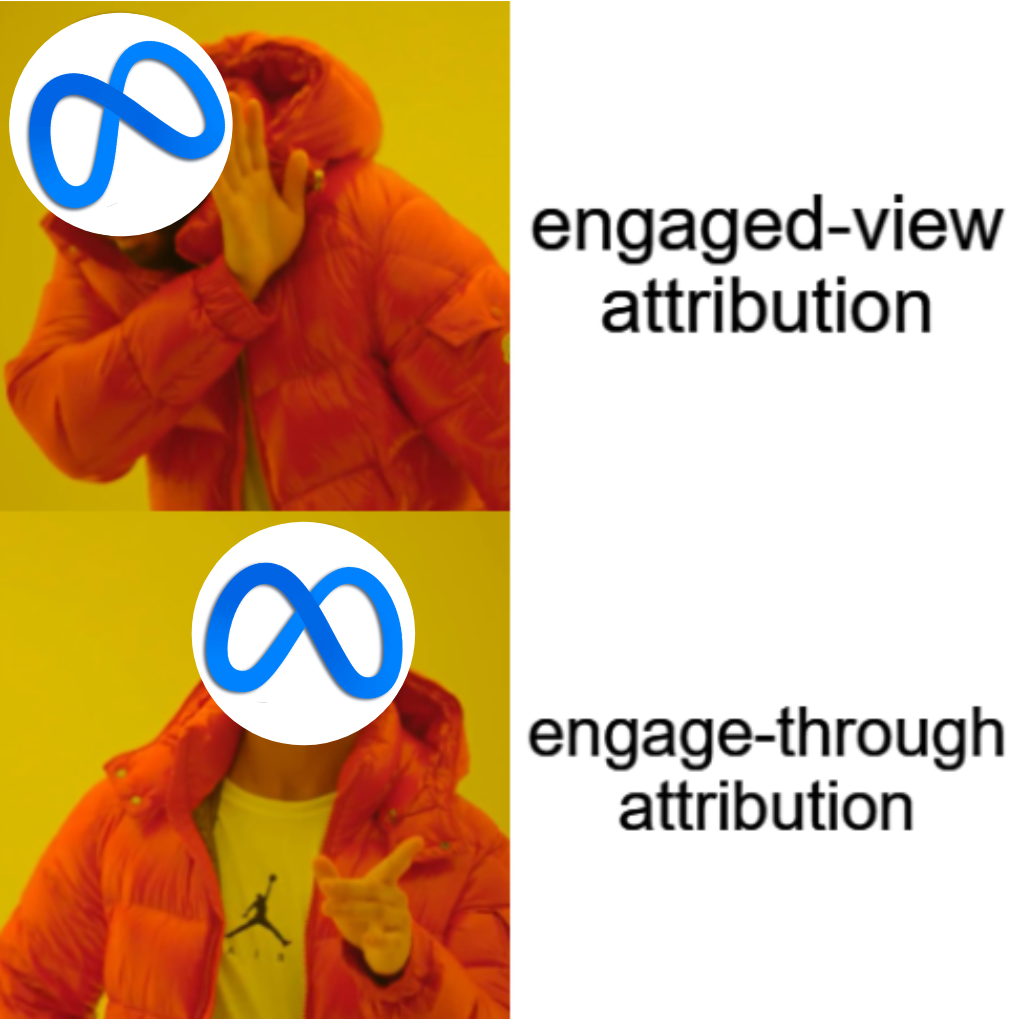
The biggest shift is simple. Click-through attribution will now only include link clicks. Actions like likes, shares, and saves are being moved into a separate bucket called engage-through attribution (previously engaged-view attribution).
You can read Meta's announcement here: Simplifying Ad Measurement for a Social-First World.
Why This Matters
One of the biggest challenges in social media reporting has been misalignment across platforms. Meta, Google Analytics, Google Ads, and other tools have historically defined clicks and attribution differently, making it difficult to reconcile performance and trust the numbers.
There's also been a broader perception issue, with many marketers feeling that Meta's in-app reporting overstated results. Grouping engagement actions like shares, saves, and likes into click-based conversions blurred the line between true direct response and broader influence.
By narrowing what counts as a click and separating out engagement, Meta is moving toward a more transparent model that's easier to validate and compare across platforms.
What to Expect in Your Data
Your reporting will shift in a few ways:
- Click-through conversions will now reflect link clicks only
- Likes, shares, saves, and other interactions will receive engage-through attribution
- “Engaged-view attribution” is being renamed to “engage-through attribution”
You'll see click-through conversions decrease, but that doesn't mean performance is dropping. It's just being measured more precisely.
Meta is also tightening how engagement is defined for video:
- The engaged-view window is dropping from 10 to 5 seconds
- At the same time, Meta reports that 46% of Reels conversions happen within the first 2 seconds of attention
That's a big signal. Interested users respond early on, and Meta is adjusting attribution to reflect that. Shorter engagement windows mean more interactions will qualify as meaningful, especially for video-heavy campaigns.
What Agencies Should Do
This is an opportunity to get ahead with clients, lead the conversation, and demonstrate your expertise with social media advertising.
Set Expectations Early
When reporting changes, stakeholders should understand why, especially if they're used to higher conversion numbers under the previous model. Be proactive in explaining what's changing and how it impacts performance.
It also helps to document the update clearly. Add annotations to reports so you're recording when the change occurred to provide context for future analysis.
Revisit How You Measure Success
With changes to attribution and tracking, it's worth reassessing how success is defined.
Clicks alone won't tell the full story, but blended metrics can also create confusion without clear definitions. The updated approach allows you to break performance into distinct steps across the funnel.
Use that visibility to refine KPIs and ensure they reflect how users actually move from engagement to conversion.
Minimize the Impact by Installing Conversion API
Meta's update reinforces that keeping your tracking setup current is important than ever.
If you're still relying heavily on cookie-based tracking, you're missing data. With attribution becoming more nuanced, gaps in tracking will have a bigger impact on how performance is captured.
Implementing Meta's Conversion API creates a server-side connection that:
- Improves data accuracy and match rates
- Reduces signal loss from browser restrictions
- Strengthens attribution across conversions
In short, it helps ensure the data feeding your reports is as complete and reliable as possible. If you haven't implemented it yet, now is the time.
Related Article: Enhancing Social Media Campaign Performance with Meta's Conversion API
Final Takeaway
Meta's update brings cleaner attribution and a more realistic view of how users interact with social ads.
More importantly, it's a move toward rebuilding confidence in reported performance.
By separating clicks from engagement and tightening definitions, marketers get a clearer picture of what's actually driving results.
Need Help Updating Your Dashboards?
If you're reworking reporting to align with these changes, Calibrate Analytics can help.
From restructuring charts to building dashboards that reflect both click and engagement performance, we'll make sure your data tells the full story.
Get in touch to see how your current setup can evolve.